An antique or area rug is just like a piece of art in your own home. Rugs introduce color, warmth and personality into any space — they are most often the focal point of a room. But their beauty and value also render them particularly vulnerable to grime, dust, spills and wear. Whether your cherished item is a family heirloom, a prized purchase from abroad, or just the perfect touch in your living room, it helps to understand how to properly clean, so they last and look good doing so. Here in, this comprehensive expert guide breaks down everything you need to know about caring for both antique and area rugs so that they stay vibrant and preserved long-term.
What is the Difference Between an Area Rug and an Antique?
If you’re about to clean your area rug, it’s critical that you know the difference between antique and contemporary area rugs before starting. Antique rugs (specifically Persian or Oriental) are typically handwoven from natural fibers such as wool or silk, often using dyes made from vegetables. These are sensitive and precious, needing soft and unique treatment. Modern area rugs, on the other hand, might be made of synthetic fibers and constructed using machines, with modern chemical dyes that give you more options when it comes to cleaning.
Regular Maintenance The Key to Longevity
The foundation of rug preservation is routine care:
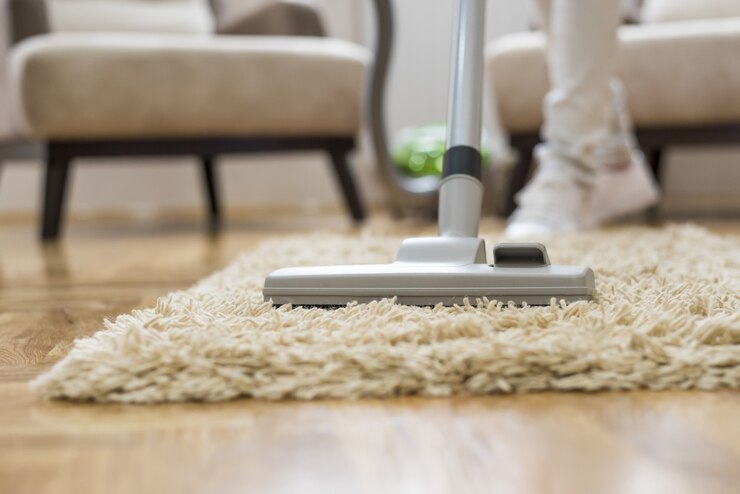
- Vacuum: In the case of most area rugs, regular vacuuming is your first line of defense. For more delicate or antique rugs, use a vacuum without a beater bar; aggressive brushes can damage fibers and cause them to wear out prematurely. Vacuum both sides of the rug to get rid of dust and dirt particles stuck inside.
- Rotate: Every six to twelve months, take the time to rotate your rug in order to get equal amounts of wear and exposure to direct sunlight. This will help avoid uneven fading or thinning in certain sections.
- Shake It Out: For smaller rugs, take them outdoors and give them a firm shake once a week. This loosens stubborn dirt that the vacuum may not reach.
Spot Cleaning: When Spills & Stains Happen
- Life happens: When spills happen, prompt and careful action can be the difference between a disaster and an annoyance:
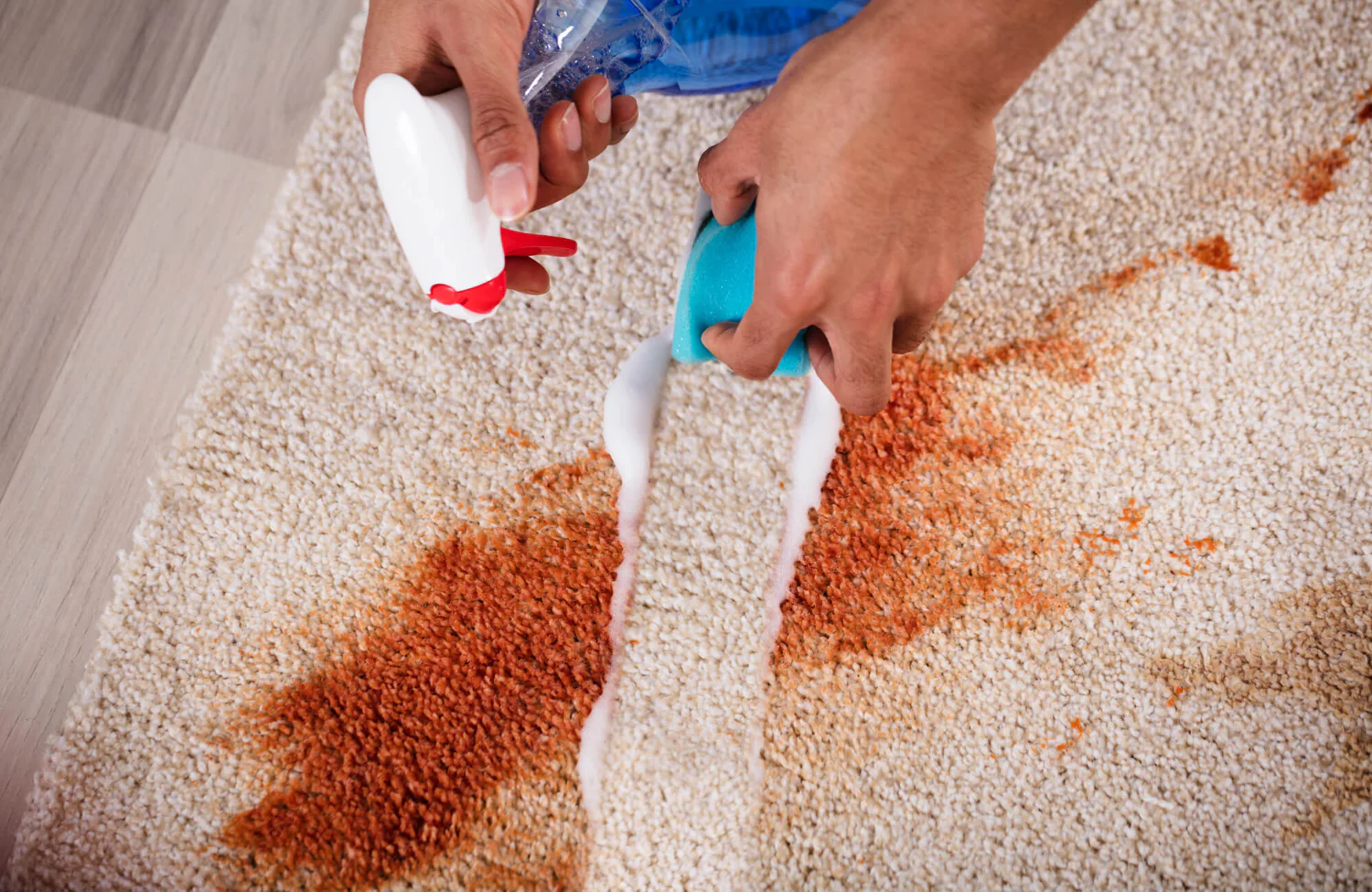
- Blot the Spill, Don’t Rub: Immediately blot the spill with a clean, absorbent cloth or paper towel. Don’t rub, as this may push the stain into the fibers.
- Use a Gentle Solution: Mix cold water with a few drops of mild soap (no bleach, ammonia or harsh chemicals). This dye was not colorfast, so before you put it on the entire surface make sure to test on a small, inconspicuous spot where the color does not matter.
- Blot Again: Use your solution to gently blot the stained area and lift it out with a clean towel. Continue until the area is clean then blot with dry towels to remove excess moisture.
- No Overwetting: Especially with antique rugs, wetting them too much is the enemy. And over-wetting can cause dyes to run, or fibers to shrink.
When And How To Deep Clean Your House
No matter how well you take care of your rug, they all need deep cleaning at some point: every 12-24 months (ideally) or more frequently in highly trafficked areas.
At-Home Deep Cleaning
- Vacuum and Pre-Clean: Clean both sides to the best of your ability, focusing on dry dirt;
- Colorfastness Test: Before starting, moisten a small hidden area and touch with a paper towel. We recommend professional cleaning if color transfers.
- Gentle Cleaning: Use cold water and a gentle soap solution. Sponge or brush lightly in the direction of the pile not against it to prevent damage.
- Rinsing: Never drench your rug. Gently rinse soap residue with a damp sponge.
- Dry: Place the rug flat to dry, out of direct sunlight, and flip it periodically so it dries evenly. When it comes to antique rugs, don’t use fans or heaters for speedy drying — and risk damaging fragile fibers.
Professional Cleaning
Professional cleaning is strongly recommended for irreplaceable or particularly delicate antique rugs. Certification experts are trained for specific types and kinds of rugs, therefore providing a cleaning without damage to the integrity of the rug. When you’re searching for rug cleaning in Tampa, be sure to consider companies with positive reviews, demonstrated expertise in antique and area rugs, and credentials in caring for handmade textiles. Professional Rug Cleaning Services clean your rug from dust, Stain Removal, Gentle washing and fringe cleaning with safe drying methods.
Special Tips for Antique Rugs
- Limit Exposure to Sun: As sunlight fades colors and weakens fibers, avoid prolonged exposure.
- Use a Rug Pad: Rug pads offer cushioning that can prevent slippage and reduce wear.
- Repair Damage Quickly: Little tears, fraying or loose fibers should be repaired by the professionals fixing damage sooner also prevents bigger headaches in the future.
- Store Properly: If you must put your rug in storage, roll (do not fold) it and wrap in muslin or acid-free paper, and store where cool and dry. If you are using those plastic pack, avoid them since they hold moisture.
When to Seek Professional Help
For rugs with set-in stains, strong odors, color-correcting needs or if you don’t feel confident about how to clean it, always go to a professional. With area and antique rugs, improper care can be worse than no care at all. Rug cleaning in Tampa is best done by professionals who know how to treat these beautiful works of art properly.
Conclusion
Cleaning your antique and area rugs is not just about aesthetically appealing space, it’s also about preserving the history, artistry and personal stories behind those beautiful pieces. Providing a combination of routine care, gentle spot treatments, deep cleanings and expert help when warranted will keep your rugs in your home for many years to come. Whether in Tampa or elsewhere, take care of them and they will reward you with lasting beauty and comfort.