Upholstery maintenance is important for the beauty and life of your furniture. Regularly deep cleaning can help you maintain your pieces as sleek and collection-worthy. Here you have a complete guide to upholstery cleaning.
Why Deep Clean Upholstery?
Over time, upholstery collects dust, dirt, and allergens that are also detrimental to your eyes and lungs. Deep cleaning:
- Improves Looks: Brings back the fabric’s original color and texture.
- Enhances Hygiene: Eliminates bacteria and allergens for a healthier space.
- Increases Longevity: Avoids bruises and retains life of your furniture.
Gather Necessary Supplies
Before you begin, gather the correct tools and products:
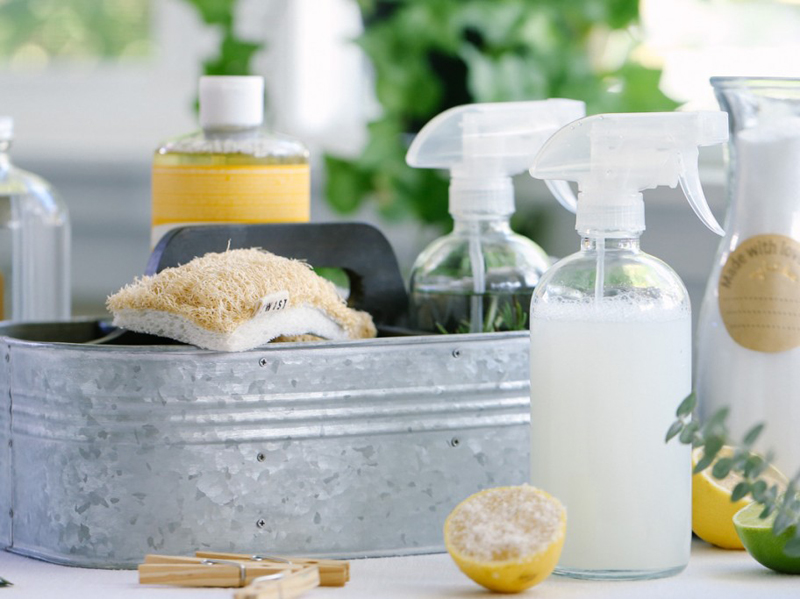
- Vacuum With Attachments: Use a vacuum with upholstery attachments.
- Microfiber Cloths: For gentle wiping and drying.
- Soft brush: Aids in lifting dirt without harming fabric.
- Gentle detergent: This should work depending on the type of fabric.
- Baking Soda: A natural deodorizer.
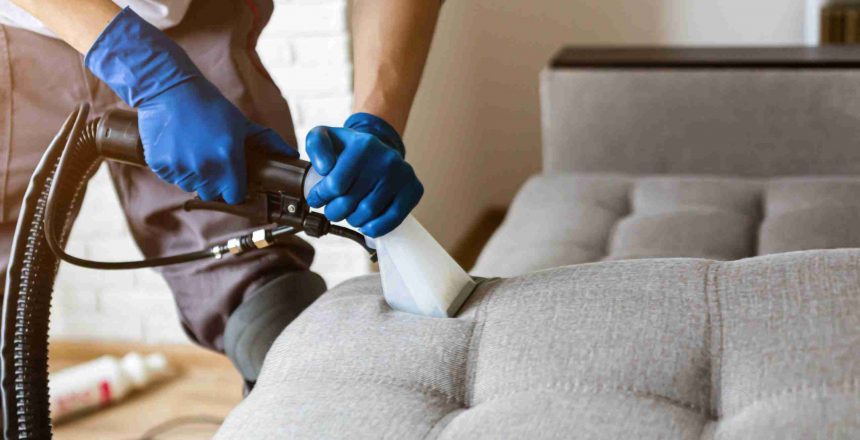
- Steam cleaner: Optional but good for a deep clean.
Determine Fabric Type
Knowing your upholstery fabric allows for safe and effective cleaning:
Check Labels: Identify cleaning codes (W, S, WS, X) on furniture tags.
And a few other important pieces of research material: Determine if the fabric is synthetic or natural in order to select suitable cleaning methods.
Step-by-Step Cleaning Process
For a deep clean, follow these steps:
Vacuum Thoroughly
Attachments: Use the upholstery tool to pick up dust, dirt and debris.
Get Into Cracks: Things like seams or creases, folds and corners.
Remove Stains
Spot Test: Before spraying a cleaning solution on the stain, check it in an inconspicuous spot to make sure it doesn’t damage or discolor the fabric.
Spot Cleaner: With a damp cloth, use a mild detergent or quick dry fabric cleaner to blot out stains.
No Scrubbing: Blot the stain gently to lift it and not push it deeper into the fabric.
Use Baking Soda for Deodorizing
To liberally sprinkle: Disperse an even amount of baking soda on the upholstery.
Let Sit: Let sit for 15–30 mins to absorb odors.
Vacuum: Use a vacuum cleaner to remove the baking soda.
Steam Clean for a Deep Clean
If the material is appropriate, a steam cleaner can help you:
Read labels: Use according to manufacturer instructions and be sure that it’s appropriate for your fabric.
Use Even Strokes: Move the cleaner back and forth in even strokes, making sure not to oversaturate.
Dry Thoroughly: Make sure upholstery dries completely to avoid mildew and mold.
Tips for Ongoing Maintenance
Regular cleaning is the key to keeping your upholstery looking great:
Regular Vacuuming: To avoid dirt build up, regularly vacuum your floor.
When fluffing the cushions, fluff spread out and rotate them frequently to keep their shape.
Light Protection: Place furniture away from direct sunlight to protect against fading.
Professional Cleaning
Seek professional services for tough stains or delicate fabrics:
Find the Service Providers: A cleaner with a specialty in upholstery.
Normal/Ideal Use: Depending on use, schedule professional cleaning every 12-18 months.
Eco-Friendly Cleaning Options
For the eco-minded:
Natural Cleaners: Mix vinegar and water for a gentle, green clean.
Essential Oils: A few drops of essential oils to natural cleaning solutions will help make your home smell nice.
Conclusion
Taking upholstery deep cleaning services is an integral part to ensure your furniture’s look, hygiene and longevity. Knowing the types of fabric and how to use the best tools and methods, along with some regular upkeep can ensure long-lasting furniture that is also beautiful. Whether you choose to take the do-it-yourself route or hire professionals, a clean and fresh home is very possible. Adopt these suggestions and welcome a cozier home space.